0
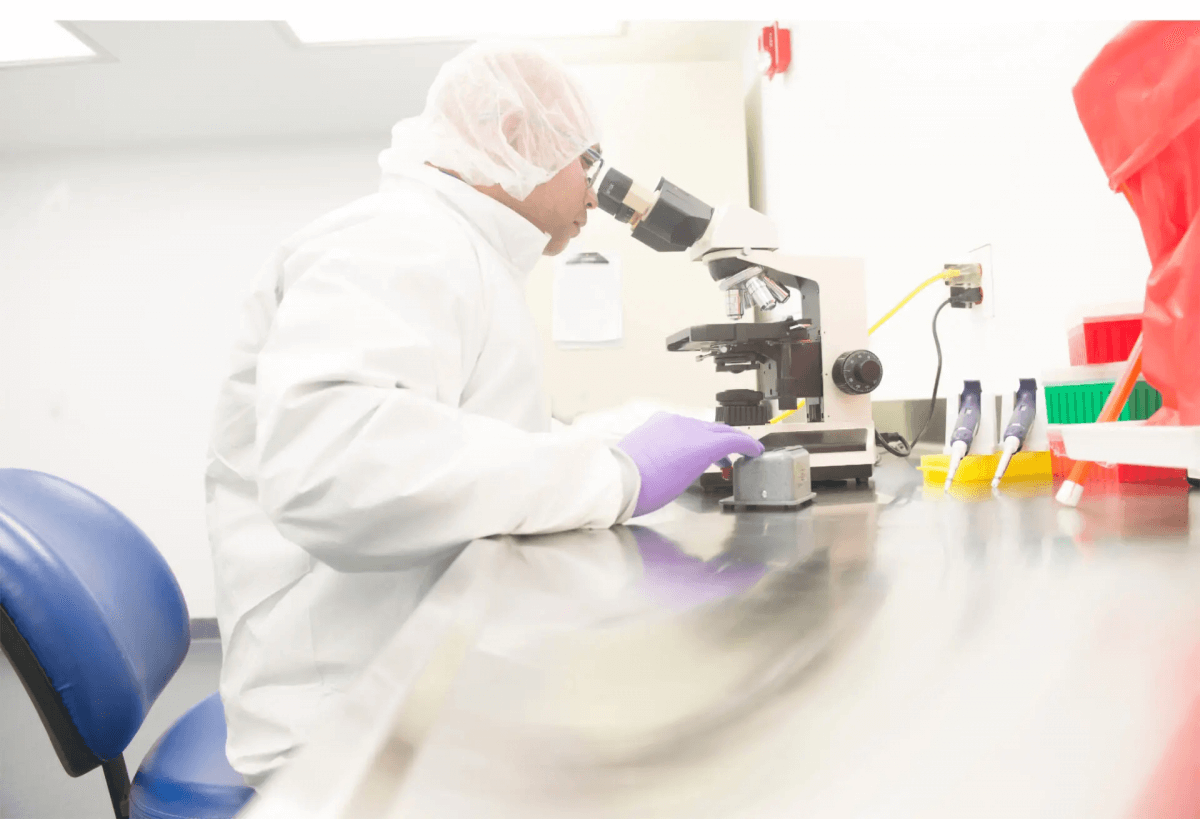
How to Handle Research Chemicals Safely
How to Handle Research Chemicals Safely in the Laboratory
Working with chemical materials requires planning, appropriate equipment, good documentation, and an understanding of potential hazards. Whether a laboratory is conducting analytical chemistry, educational experiments, quality-control work, or other permitted scientific research, chemical safety should be part of the process from the beginning.
This guide explains general principles for research chemical safety. It does not replace a chemical’s Safety Data Sheet, laboratory risk assessment, institutional procedures, or applicable legislation.
Start With the Safety Data Sheet
The first step before handling a chemical should be reviewing the relevant Safety Data Sheet.
An SDS can provide information about:
- Hazard identification
- Composition
- First-aid measures
- Fire-fighting measures
- Accidental-release measures
- Handling and storage
- Exposure controls
- Personal protective equipment
- Physical and chemical properties
- Stability and reactivity
- Toxicological information
- Disposal considerations
- Transport information
ECHA provides specific guidance on the compilation and structure of Safety Data Sheets.
Use Appropriate Personal Protective Equipment
PPE should be selected according to the hazards associated with the material and the laboratory’s risk assessment.
Depending on the task, appropriate protection may include:
- Laboratory coats
- Suitable chemical-resistant gloves
- Safety glasses or goggles
- Face protection where required
- Appropriate respiratory protection where specifically assessed and required
PPE should not be considered a substitute for proper engineering controls and safe laboratory procedures.
Label Chemical Containers Clearly
Correct labelling is essential for preventing identification errors.
A laboratory container should be identifiable and should contain the information required by the applicable safety and regulatory procedures.
For hazardous substances and mixtures placed on the EU market, CLP establishes requirements for hazard communication through labels and packaging.
Laboratories should also follow their internal rules for secondary containers, sample identification, and temporary storage.
Store Chemicals Correctly
Storage conditions depend on the characteristics of the chemical.
Before storing a material, check:
- Required temperature
- Light sensitivity
- Moisture sensitivity
- Compatibility with other substances
- Container requirements
- Ventilation requirements
- Shelf-life information
- Relevant hazard classifications
Chemicals should not simply be stored together because they belong to the same broad category. Compatibility and hazard information should determine appropriate storage arrangements.
Prevent Cross-Contamination
Cross-contamination can compromise experiments and analytical results.
Good laboratory practice can include:
- Using clean equipment
- Keeping containers closed when not in use
- Avoiding unnecessary transfers
- Using dedicated equipment where appropriate
- Cleaning work surfaces correctly
- Maintaining organized sample identification
- Separating incompatible materials
Good documentation is equally important. A clear record of material identity, batch information, storage conditions, and handling can improve traceability.
Work in an Appropriate Laboratory Environment
The laboratory environment should be appropriate for the hazards and procedures involved.
Depending on the work, this may include appropriate ventilation, engineering controls, controlled access, spill-response equipment, and emergency procedures.
Researchers should never assume that a chemical is safe simply because only a small quantity is being handled.
What to Do in the Event of a Spill
Spill procedures should be established before work begins.
The correct response depends on the chemical and the quantity released. Researchers should consult the SDS and their laboratory’s emergency procedures.
General principles include:
- Protect people from exposure.
- Restrict access to the affected area where appropriate.
- Consult the relevant SDS.
- Use the designated spill-response procedure.
- Wear appropriate PPE.
- Dispose of contaminated materials according to applicable procedures.
- Report the incident according to laboratory policy.
Do not improvise a cleanup method if the hazards are unknown.
Chemical Waste and Disposal
Chemical waste should be managed according to the material’s properties and applicable local requirements.
Do not dispose of research chemicals through sinks, ordinary waste containers, or other routes unless the applicable waste procedure specifically permits it.
Laboratories should maintain appropriate waste identification and segregation systems and use authorized disposal arrangements where required.
Training and Documentation
Chemical safety is also a management process.
Laboratory personnel should understand:
- The chemicals they work with
- Relevant hazards
- Required PPE
- Emergency procedures
- Storage requirements
- Waste procedures
- Applicable institutional rules
Regular documentation and training can reduce avoidable mistakes and improve laboratory consistency.
Understanding EU Chemical Safety
REACH establishes a broad European framework for managing risks from chemical substances, while CLP provides a system for communicating hazards through classification, labelling, and packaging.
Requirements can differ according to the substance and situation, so researchers should not rely on a general assumption that one procedure applies to every chemical.
Final Thoughts
Safe chemical research begins before the container is opened. Reviewing the SDS, understanding hazards, selecting appropriate PPE, maintaining correct labels, following storage requirements, and preparing for emergencies are fundamental parts of responsible laboratory practice.
PrimeChemicalEU’s research resources can help researchers locate product information and scientific materials, but users should always follow the applicable SDS, institutional procedures, risk assessments, and legal requirements.